A hill farm on the
West Mendip Way
Loxton Hill is crossed by the West Mendip Way. The farm sits on the western edge of the Mendip Hills, where open grassland, wooded slopes, historic tracks and long views meet the Somerset Levels and Bristol Channel.
People have farmed these slopes for thousands of years. From the Bronze Age communities who first grazed and worked this ground, through generations of hill farmers who shaped the fields, tracks and boundaries you walk past today, this land carries their mark. We see ourselves as the latest in that long line.
We are restoring and managing the land for regenerative farming, wildlife and responsible public access. The West Mendip Way gives walkers a close view of this living landscape, while our booked camping and farm experiences help support the long-term stewardship of the farm.
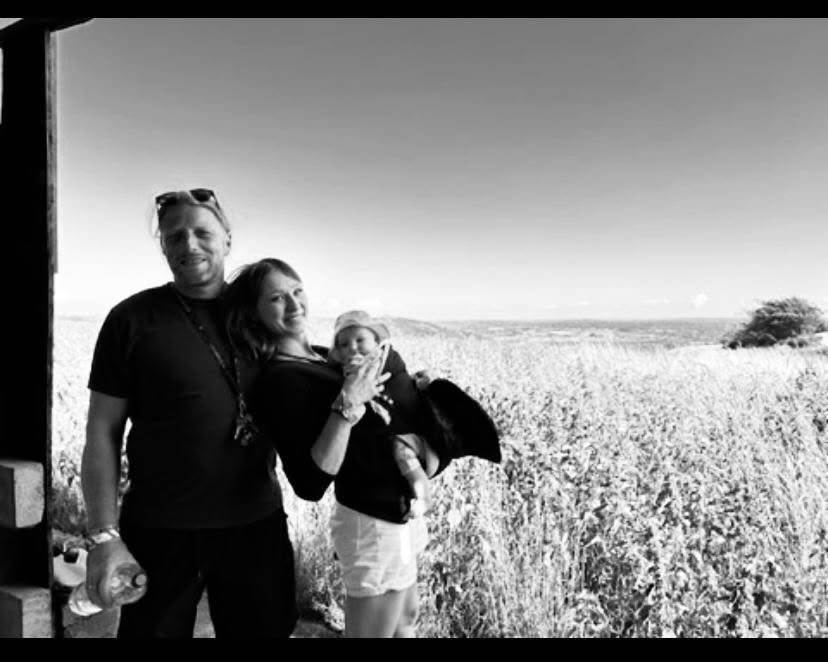
Born in Scotland, Nathan is a first-generation farmer. "I got my first farm tenancy in Dumfries and Galloway in 2001, now Abbie and I have three young children, and being in the Mendip Hills has always been the dream for us. The chance to take on Loxton Hill came out of the blue and was such a magical opportunity — we're still pinching ourselves that it came true! It's been nearly four years now, and it feels like the hard work has only just begun. We're thrilled to be developing our guardianship of this ancient holding."
Sheep, cattle, limestone
meadows and woodland combes
Traditionally Farmed — mixed livestock, managed grassland, and a strong relationship between the animals and the land they graze.
SSSI limestone grassland
on the western Mendips
The western slopes and the Una Combe of Loxton Hill are designated SSSI — Sites of Special Scientific Interest — for their unimproved limestone grassland. This is some of the most species-rich habitat in North Somerset, maintained by careful grazing rather than fertiliser or reseeding.
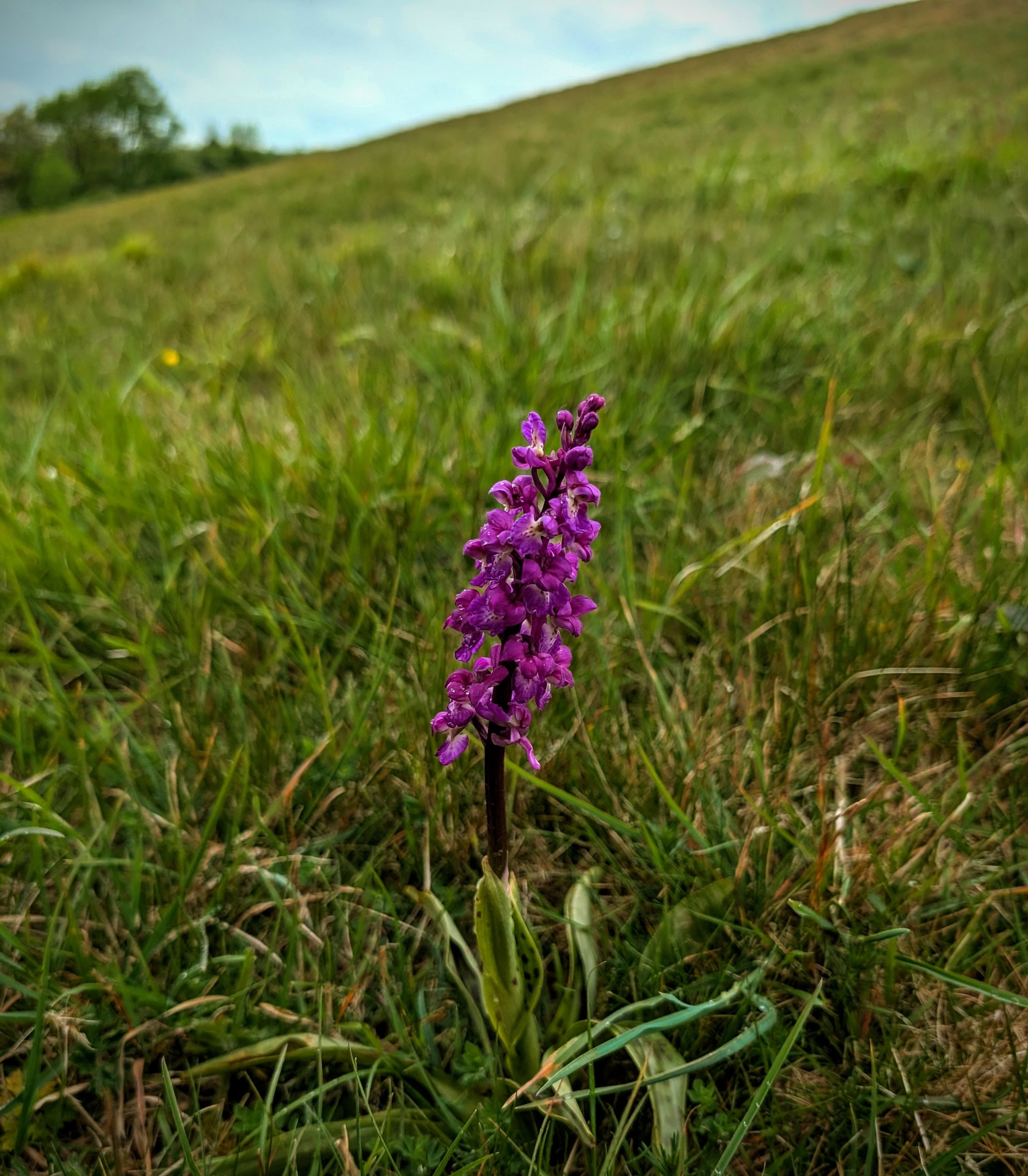
Orchids, rare grasses, limestone wildflowers, hedgerows of hawthorn, blackthorn and hazel, and a mosaic of scrub and open ground provide habitat for a wide range of insects, birds and mammals. The farm's recovery is ongoing — we are working with the grain of what is already here.
Treading lightly
on the hill
Where we have choices about how to do things on the Hill, we try to make them in favour of the land, the water, and the long-term health of the farm. These are works in progress, not finished claims.
Compost toilets
Low-impact sanitation for visitors — no mains connection, no chemical treatment, returns to the land.
Solar & battery power
Off-grid energy systems being developed for farm infrastructure and visitor facilities.
Water management
Natural spring and surface water systems on the hill. We are mapping and restoring historic water infrastructure across the holding.
Conservation grazing
Belted Galloways and hill sheep managed to maintain and extend the SSSI limestone grassland — grazing as a tool, not a commodity.
Biodiversity recovery
Hedgerow restoration, scrub management, deadwood retention and late hay cutting all contribute to the farm's biodiversity recovery plan.
No artificial inputs
No artificial fertilisers, no herbicides on the SSSI ground. The grassland is managed entirely through grazing timing and stock management.
The trig point at the top of the hill
The Ordnance Survey trig point marks the highest point of the farm. On a clear day the view takes in Steep Holm, the Welsh coast, Glastonbury Tor, the Quantocks, the full sweep of the Somerset Levels, and south across Exmoor as far as Ilfracombe. The West Mendip Way passes just below.
The West Mendip Way
The route runs directly through the farm, giving walkers a genuine experience of a working Mendip hill farm in its landscape. We welcome walkers warmly, and ask only that the route is followed carefully.
Book your visit
All stays are pre-booked and managed directly with us. Contact us to discuss availability and what to expect.
Loxton Hill Wild Camping
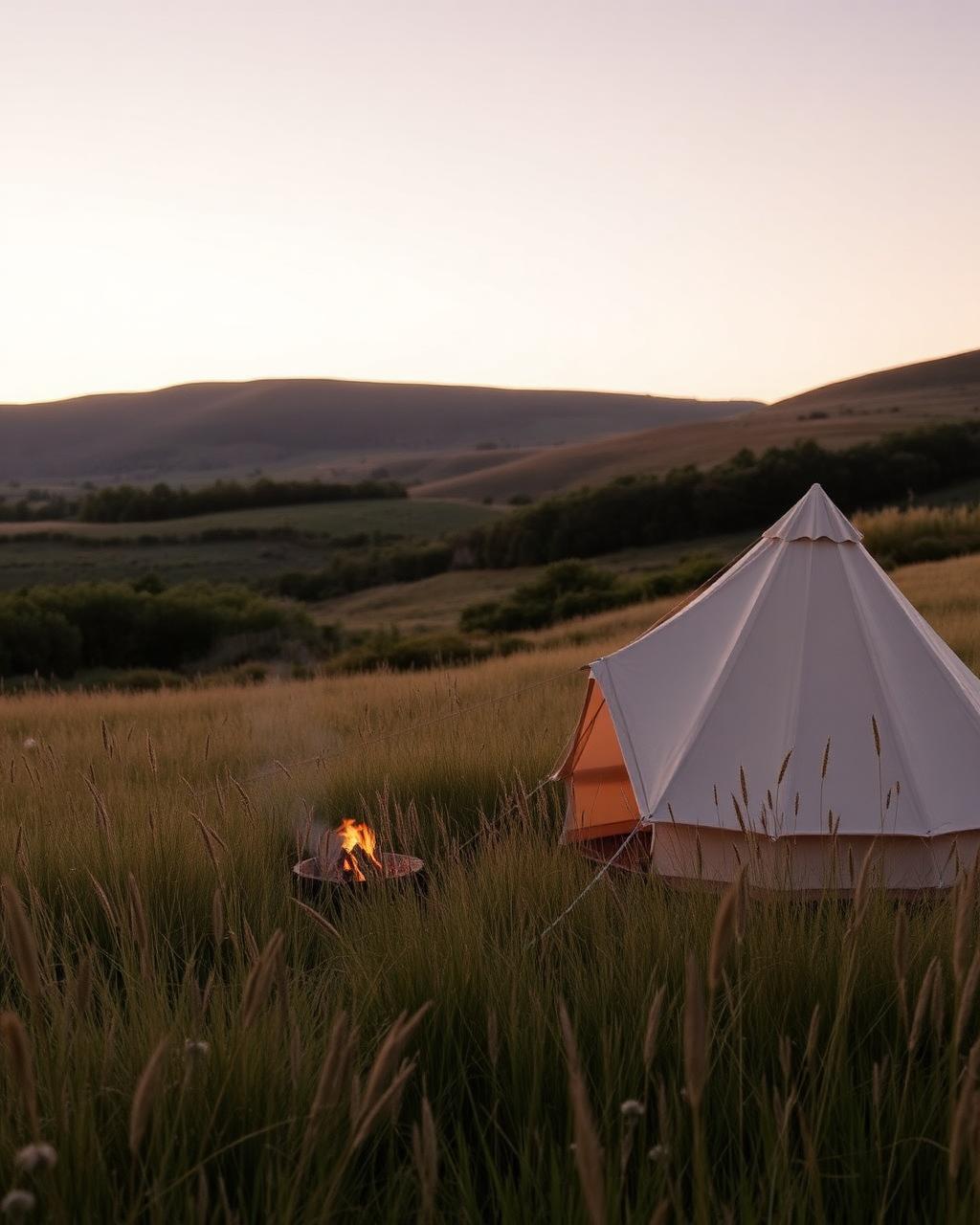
Wild camping with facilities including a washing up point, compost loos, fire pit area and morning showers. Bring everything you need: food, sturdy shelter, warm clothing, and drinking water.
**Campers should come prepared — check the weather before setting off. The campsite is at 600ft and warm clothes and suitable shelter are a must.
loxtonhill.com · 01934 257177
Farm visits
Throughout the year we also post dates on our subscriber service and newsletter for guided walks with our ecologist, history tours, fungi workshops, and sustainable farming talks. Subscribe to our subscriber service and newsletter to hear about these as they're released, and to get our subscriber announcements.
From the land
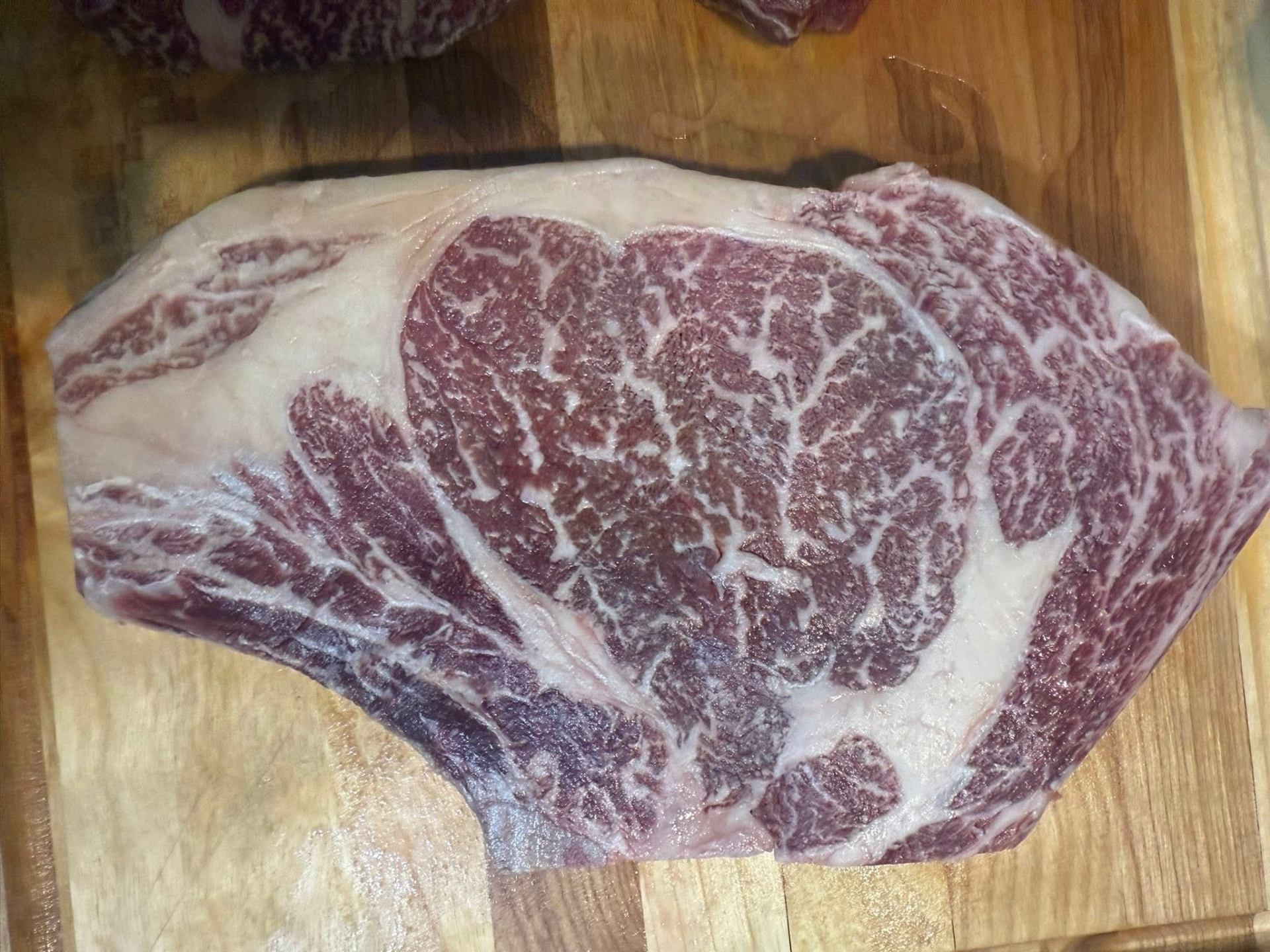
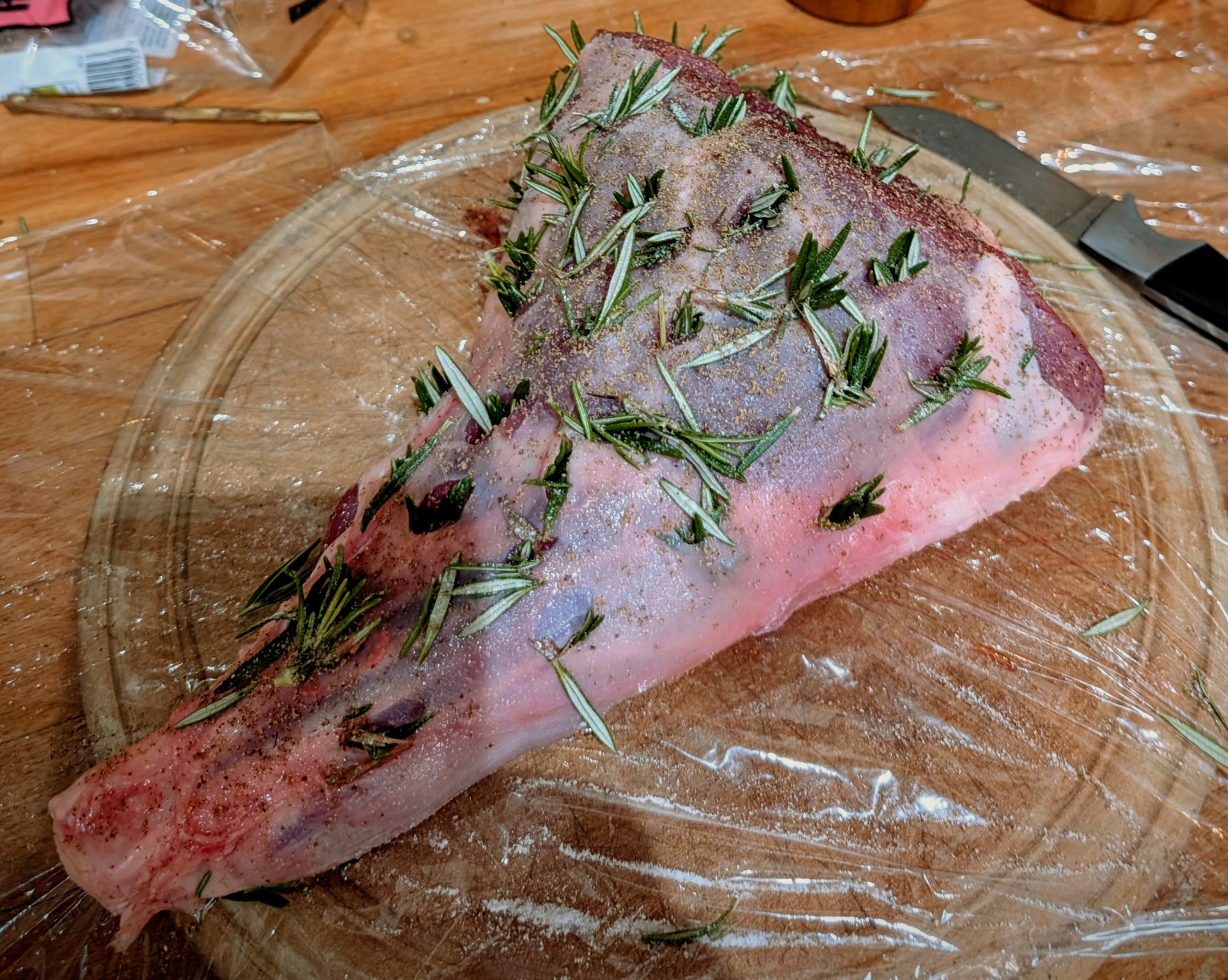
The farm aims to produce slow-grown, grass-fed and unhurried beef and lamb and occasional bantam eggs for a special treat! Our ambition is to develop the farm's food offer carefully over time, beginning with what the land already gives us.
Belted Galloway beef
Slow-grown, entirely grass-fed Belted Galloway beef from the farm. Small quantities available direct — contact us for current availability.
Hill meadow lamb
Grass-fed lamb from our hill sheep flock, raised on the limestone meadows of Loxton Hill. Contact us for seasonal availability.
Fungi
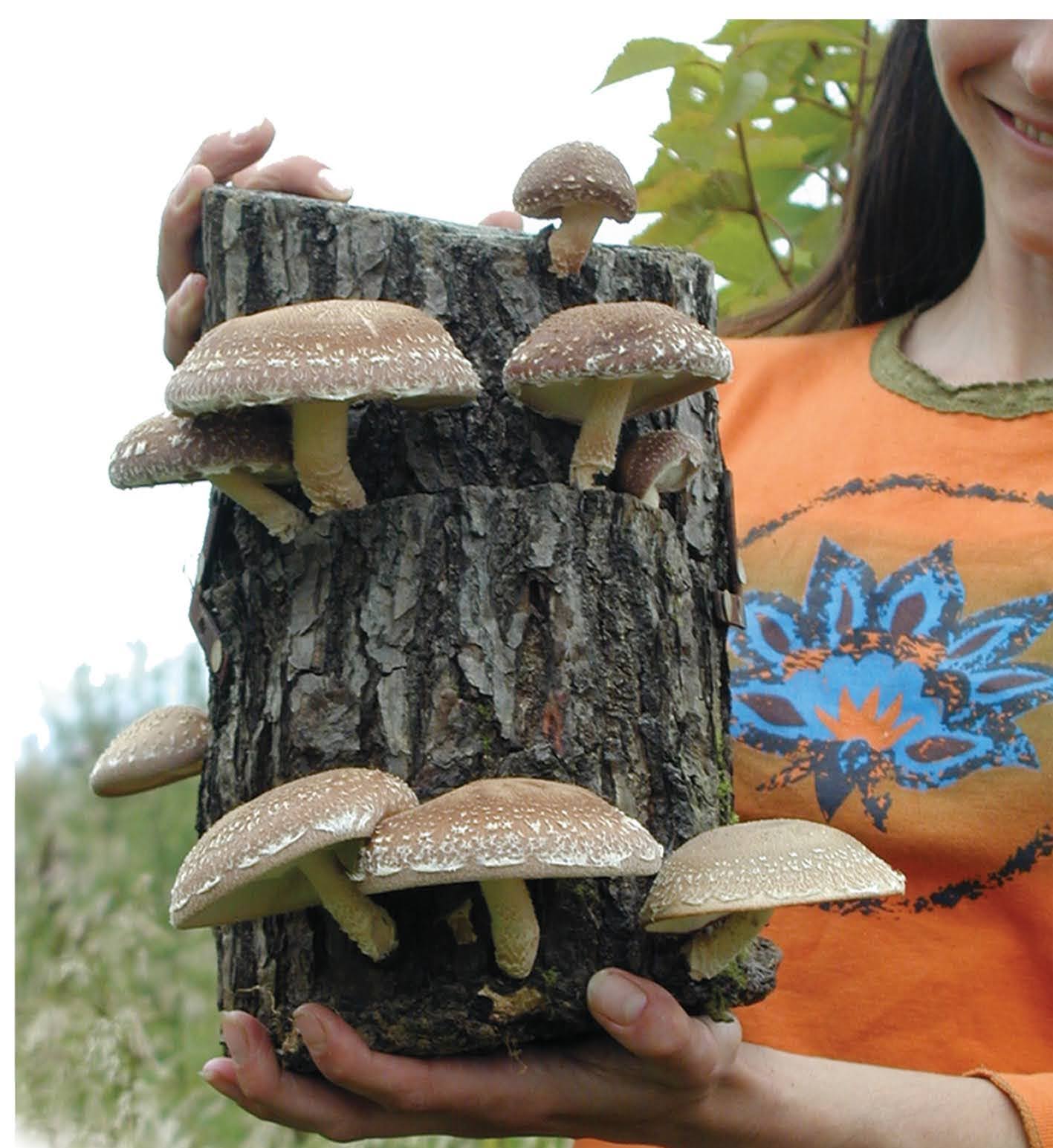
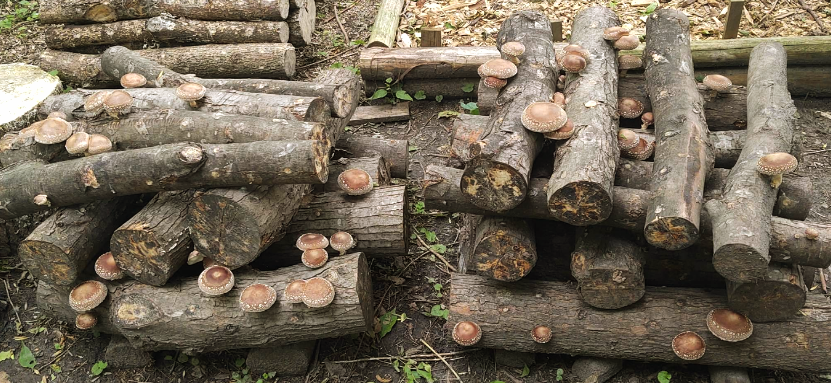
The woodland and grassland on the hill support a rich range of wild fungi through autumn. Foraging knowledge is part of the farm's identity
Future produce
A farm shop and wider local produce offer is part of our longer-term vision for the holding. Watch this space.
Coming in time